
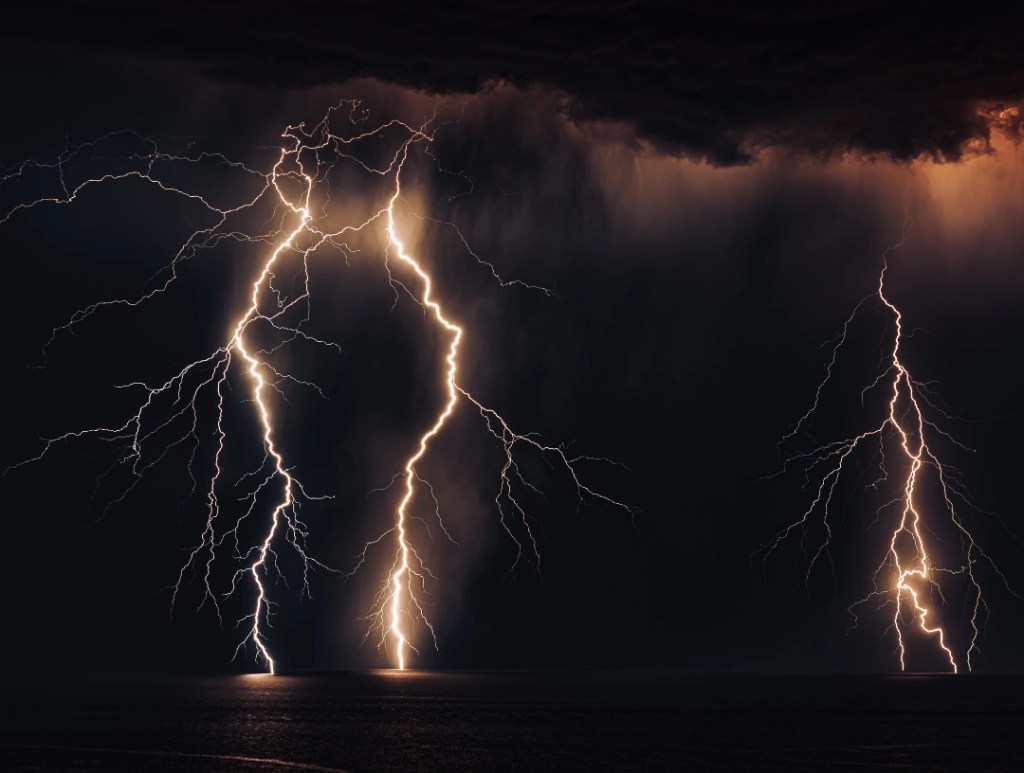
Nighttime rain may occur more frequently due to a combination of atmospheric conditions and temperature changes. As the day goes on, the sun heats the Earth’s surface and this process makes warm air rise. As this warm air ascends and cools during the night, it condenses into water droplets which then leads to cloud formation and, ultimately, rain. The most common time for rain in many tropical areas is in the late afternoon and early evening, but the cooling temperatures of the night increase the likelihood of precipitation.
The reason for this is that weather tends to change at night due to a reduction in solar heating. Without the sun, the ground and air above it cool rapidly and affects the dynamics of air pressure and moisture. This cooling often leads to instability in the atmosphere, triggering thunderstorms and other weather phenomena that increase the chances of nighttime rainfall.
DID YOU KNOW: Land heats and cools more quickly than water.
How Does Temperature Affect Rainfall Patterns?

Higher or hotter temperatures during the day cause water to evaporate and this adds more moisture to the air. This is similar to what happens when you boil water—heat causes the water to turn into steam, which escapes into the air as moisture. When this moisture-laden air cools at night, the excess humidity condenses and often results in precipitation. This is why regions with large temperature differences between day and night experience more frequent nighttime rain.
Furthermore, temperature variations affect how clouds form and how much moisture they can hold. Warm air holds more moisture, and as temperatures drop, this moisture is released in the form of rain. As a result, temperature fluctuations throughout the day and night directly influence when and how much it rains.
DID YOU KNOW? Condensation is the process when water vapor in the air cools down and turns back into liquid water. Water vapor (gas) → cloud/rain (liquid).
What Is The Role Of Humidity In Nighttime Precipitation?
Humidity is also a factor in nighttime precipitation because it governs how much water vapor is present in the air. Humidity levels often remain high in tropical countries like the Philippines even after the sun sets. As temperatures cool at night, the moisture-laden air condenses more easily and increases the chances of rain. High humidity plus the cooling temperatures, creates the perfect conditions for nighttime showers.
This relationship between humidity and rainfall is noticeable in regions near large bodies of water, where evaporation is higher during the day. As the warm, moist air rises and cools during the night and the condensed moisture falls as rain. Here we can see that humidity not only contributes to rain formation but also helps sustain nighttime rain patterns.
Factors Contributing To Nighttime Rain

Diurnal Temperature Range
Diurnal temperature variations or the differences in temperature between day and night, are factors of rainfall patterns. As mentioned above, during the day, the sun heats the Earth’s surface and causes the air to rise. As the air cools overnight, the sudden drop in temperature (DTR) leads to condensation and cloud formation often resulting in nighttime rain.
In the hottest of summer months, the highest daytime temperature in some areas of Cagayan Valley can reach up to 36-degrees C and may only drop to lowest 31-degrees at night. This means the DTR is only 5-degrees.
Land-Sea Breezes
Land-sea breezes occur when temperature differences between land and sea drive air movement. During the day, the land heats up faster than the sea which causes the air to rise over land and cool over the sea. At night, the reverse happens: the sea retains more heat, and the cooler air over the land flows toward the water. This change in air movement can trigger thunderstorms or rain contributing to increased nighttime rainfall.
Orographic Lifting

Orographic lifting is the process by which moist air is forced upward by mountain ranges or elevated terrains. As the air ascends, it cools and condenses and can lead to precipitation if the conditions are right. This phenomenon often causes rain to fall during the night because the cooler temperatures enhance the condensation process. Orographic lifting is often observed in mountainous regions where nighttime showers are common due to this lifting mechanism.
Convection and thunderstorms

Convection refers to the process by which warm air rises and cools and lead to forming clouds and eventually to precipitation. In the tropics, daytime heating often initiates convection, while the cooling effect at night accelerates cloud formation and resulting in thunderstorms. These storms are more likely to occur at night because the cooler, more stable air above the rising warm air increases the chances of rain.
Climate Change and Nighttime Rainfall
Challenges posed by nighttime rainfall
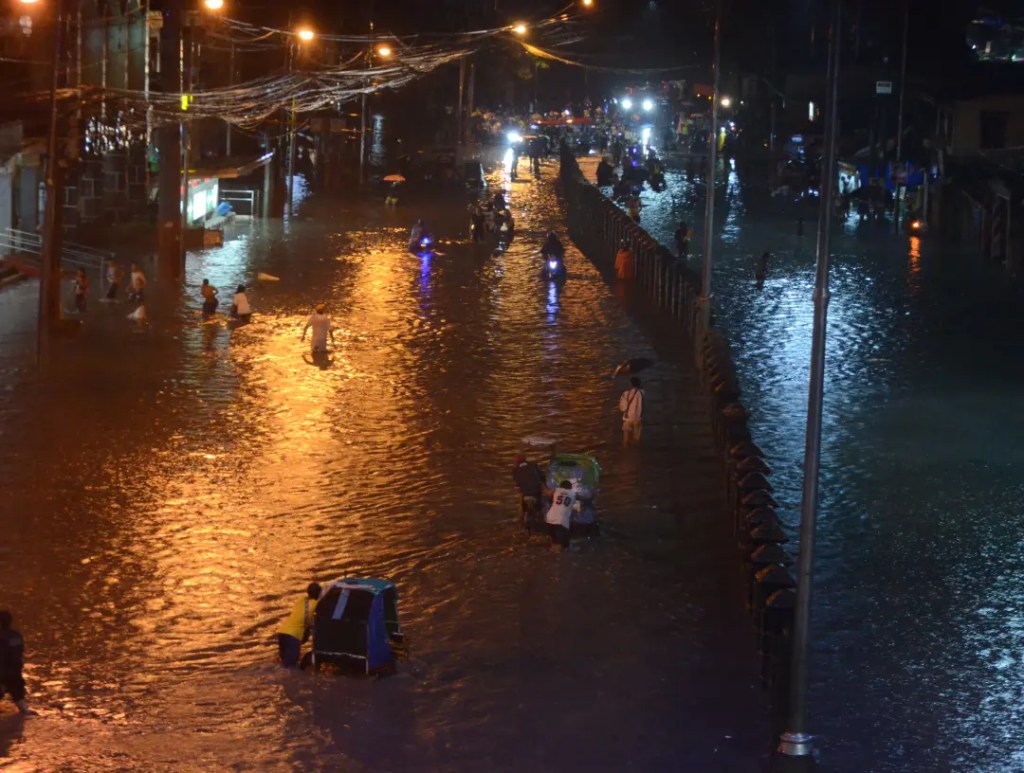
Climate change is intensifying weather patterns globally, including nighttime rainfall. As the planet warms, the atmosphere can hold more moisture and we have seen how this leads to heavier rains. This can result in flash floods, soil erosion, and challenges for agriculture, especially in regions already prone to frequent precipitation. Increased nighttime rain may also stress urban infrastructure and cause drainage systems to become overwhelmed during periods of heavy rainfall.
Nighttime rainfall also cause challenges for disaster preparedness and response. Emergency services may find it more difficult to respond to floods or other hazards that occur at night, and individuals may be caught off guard while sleeping. Communities will need to improve their early warning systems and infrastructure to manage these evolving climate change challenges.
How to prepare for heavy nighttime rain
Adapting to changes in nighttime rainfall patterns requires both individual and community-level action. One of the key takeaways from the 2024 Habagat season in the Philippines is that intense rain, whether from strengthened monsoons or typhoons like Carina, can strike at any time. While these events are dangerous throughout the day, nighttime storms can be treacherous as they catch people off guard while they sleep. Proactive measures may include improving local drainage systems and implementing effective flood control measures to prevent widespread damage from heavy rain.
For communities experiencing frequent nighttime rainfall, installing water retention systems and enhancing emergency preparedness protocols can help save lives. Homeowners can also protect their properties by maintaining roofs and gutters and setting up rainwater catchment systems to reduce water runoff. Urban planners should consider the long-term impacts of climate change and designing cities that can handle sudden downpours by reinforcing infrastructure and preparing for unpredictable weather patterns.
 Cagayan Valley Climate Resilience
Leave a comment