

Links To Data From Other Months
Climate Monitoring in the Philippines
As an archipelagic nation situated in the tropical region, the country experiences a wide range of climatic phenomena—from heavy monsoons to scorching heat waves.
The Importance of Monitoring Rainfall and Temperature
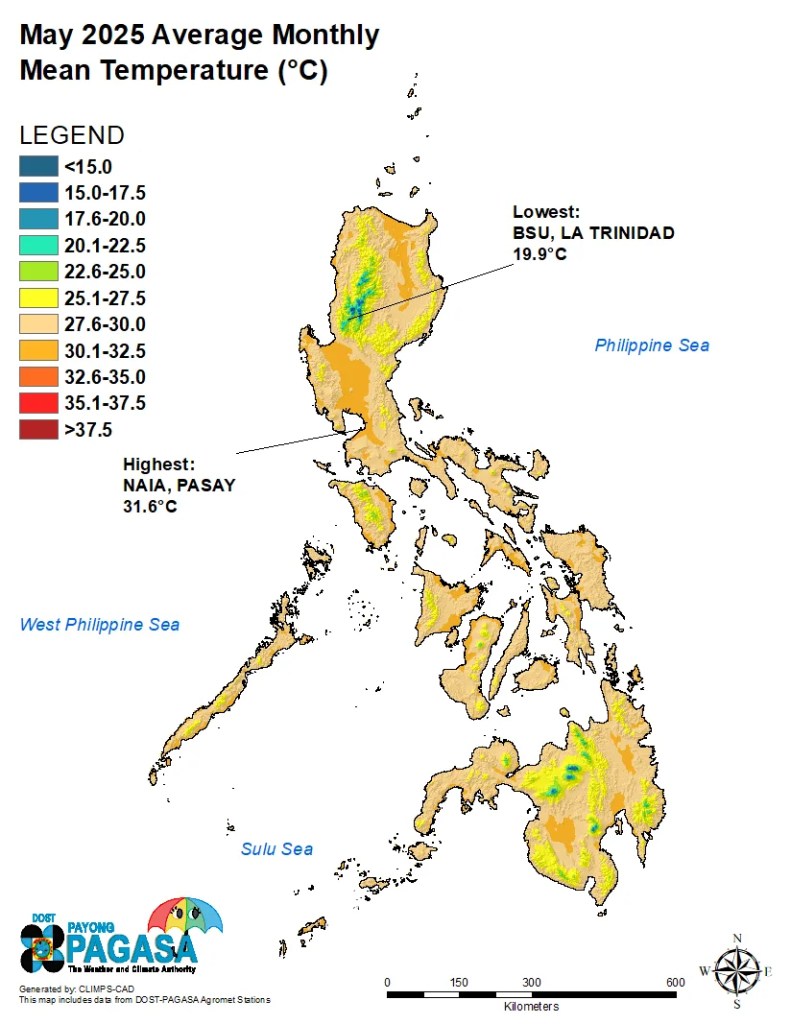
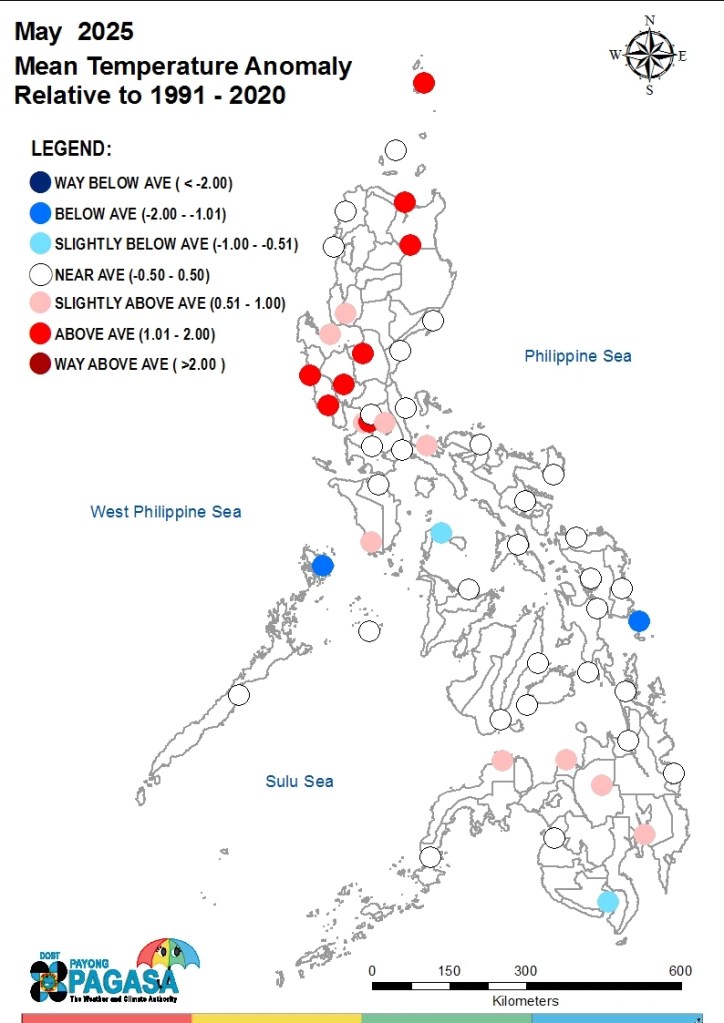
Rainfall and temperature are the primary indicators of climate health. Variations in these factors, such as monthly rainfall and temperature anomalies, provide insight into how climate patterns are shifting. For instance, rainfall anomalies can signal the onset of droughts or the risk of floods, both of which severely affect agricultural productivity and water supplies. Meanwhile, temperature anomalies reveal trends of warming or cooling, helping to pinpoint regions vulnerable to heat waves or extreme weather events.
Data provided by PAGASA, the Philippines’ meteorological agency, offers vital resources for identifying these changes. Through the use of rain gauges, satellite imagery, and temperature measurements, PAGASA provides monthly updates that serve as a foundation for climate adaptation strategies.
The Role of Human Activities and Greenhouse Gases
The influence of human activities on the climate cannot be overemphasized. Increased emissions of carbon dioxide (CO2) and other greenhouse gases have accelerated global warming, raising absolute temperatures worldwide. In the Philippines, these changes manifest as intensified tropical cyclones, shifting precipitation patterns, and more frequent extreme heat events.
Globally, the Intergovernmental Panel on Climate Change (IPCC) has outlined the consequences of these activities in its assessment reports, underscoring the urgent need for mitigation and adaptation. Locally, efforts to reduce emissions, such as transitioning to renewable energy and implementing sustainable agriculture, are critical to managing the impacts of climate change.
Long-Term Trends and Their Implications
Monitoring data over extended periods reveals long-term trends that are crucial for understanding the trajectory of climate change. For example, increases in annual precipitation in some regions may result in flooding, while declines in others can lead to water scarcity. Rising sea levels, caused by melting glaciers and ice sheets, threaten coastal communities and agricultural lands in the Philippines, where much of the population resides near the shore.
These long-term trends show the interconnectedness of global and local climate systems. Changes in the northern and southern hemispheres, such as alterations in trade winds and the shifting position of the ITCZ (Intertropical Convergence Zone), directly influence weather patterns in the Philippines. The eastern Pacific, in particular, plays a significant role in the intensity and frequency of El Niño and La Niña events, which heavily impact the country’s climate.
Natural Resources and Resilience
The Philippines’ rich natural resources are both a blessing and a vulnerability. Agricultural products, such as rice and corn, are highly sensitive to changes in rainfall and temperature. Fluctuations in amounts of precipitation can disrupt planting and harvesting seasons, threatening food security and livelihoods. The Department of Agriculture relies on accurate climate data to guide farmers in making informed decisions about crop management.
The Role of Climate Models
Climate models are indispensable tools in predicting future scenarios and planning for resilience. By analyzing current data, scientists can simulate potential outcomes under various emission scenarios. These models help policymakers and communities prepare for climate impacts, such as heat waves, prolonged droughts, and intensified tropical storms.
 Cagayan Valley Climate Resilience